
Common verb phrases. Describing people: appearance and personality. Clothes. Holidays.
Common Verb Phrases
Every day people use common verb phrases without even thinking about them. We usually get up early and get dressed before breakfast. Some people make breakfast for their families, while others just have a quick snack. After that, we go to work or school and deal with different tasks. During the day, we make decisions and solve problems. We often have meetings or take part in discussions. When we feel tired, we take a short break. In the evening, many people do homework or finish important projects. Some prefer to work out at the gym or go for a walk. Others stay at home and watch TV or listen to music. At weekends, people hang out with friends and catch up on news. Families sometimes plan trips or look after relatives. It is important to give support and show respect to others. We should also take responsibility for our actions. These simple verb phrases help us describe our daily routines and activities.
Vocabulary List
- get up
- get dressed
- deal with
- make decisions
- take part in
- take a break
- work out
- hang out
- catch up on
- look after
- take responsibility
Exercise 1. Match the verb phrases with their meanings.
- take part in
- catch up on
- look after
- deal with
- hang out
a) spend time relaxing with someone
b) manage or handle something
c) join an activity
d) take care of
e) get the latest information
Describing People: Appearance and Personality
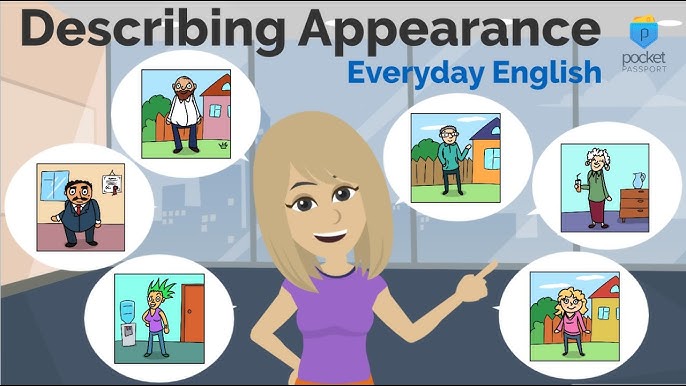
When we meet someone for the first time, we usually notice their appearance. A person can be tall or short, slim or well-built. Some people have curly hair, while others have straight or wavy hair. Eye colour also makes people different from each other. However, appearance is only one part of a person’s identity. Personality is often more important in long-term relationships. Some people are friendly and open, while others are shy and quiet. A responsible person always keeps promises and arrives on time. Creative individuals often have interesting ideas and original opinions. Generous people are ready to help and share what they have. On the other hand, selfish people think mostly about themselves. Patient people stay calm in difficult situations. Honest people tell the truth even when it is hard. Reliable friends support you in both good and bad times. In the end, personality usually matters more than physical appearance.
Vocabulary List
- slim
- well-built
- curly / wavy / straight hair
- friendly
- shy
- responsible
- generous
- selfish
- patient
- reliable
Exercise 2. Choose the correct adjective.
- A person who always tells the truth is ______.
a) selfish
b) honest
c) shy
- Someone who likes giving and helping others is ______.
a) generous
b) lazy
c) nervous
- A person who keeps promises is ______.
a) responsible
b) impatient
c) rude
- A person who doesn’t like meeting new people is ______.
a) friendly
b) shy
c) confident
Clothes
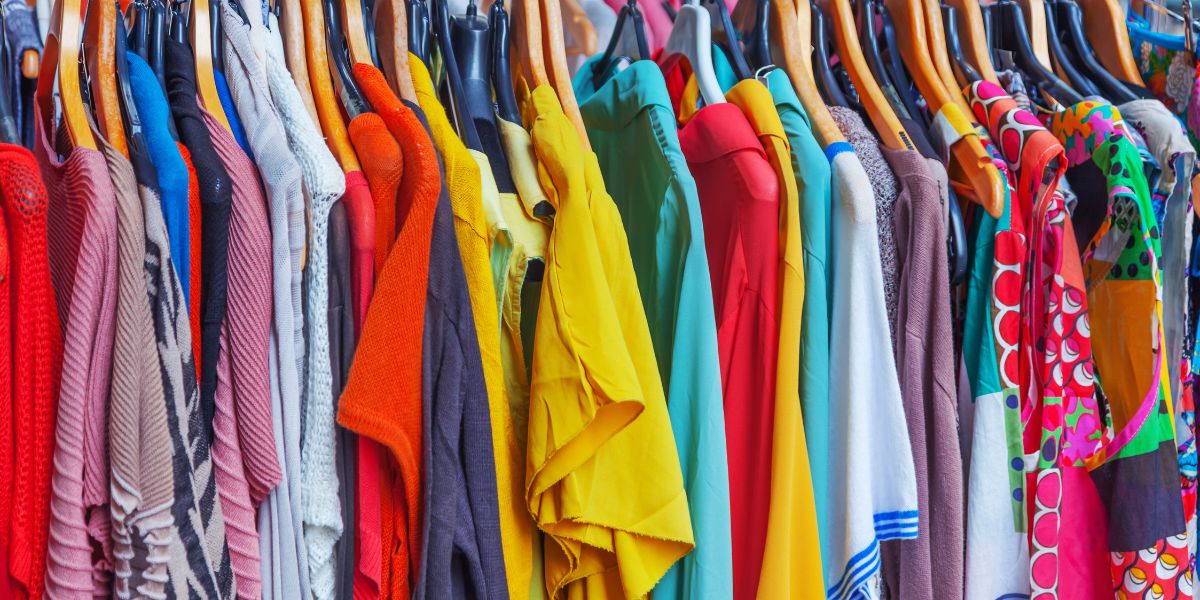
Clothes play an important role in our daily lives. We choose different outfits depending on the weather and the situation. In winter, people wear warm coats, scarves, and gloves. During summer, light T-shirts and shorts are more comfortable. At work or school, we often have to follow a dress code. Formal clothes, such as suits and dresses, are common for business meetings. Casual clothes are suitable for relaxing at home or meeting friends. Many young people like to follow fashion trends. Others prefer comfortable and practical clothes. Colours and styles can show a person’s mood or character. Some people enjoy wearing bright colours to attract attention. Accessories like bags, watches, and jewellery complete the look. It is important to feel confident in what you wear. Good-quality clothes can last for many years. In the end, clothes help us express ourselves and create our personal style.
Vocabulary List
- outfit
- dress code
- formal clothes
- casual clothes
- fashion trends
- comfortable
- practical
- accessories
- jewellery
- personal style
Exercise 3. Fill in the gaps with the correct word.
(outfit, accessories, casual, dress code, comfortable)
- At school we must follow a strict ______.
- She chose a beautiful ______ for the party.
- Trainers are very ______ for walking.
- Bags and watches are popular ______.
- I prefer ______ clothes when I stay at home.
Holidays
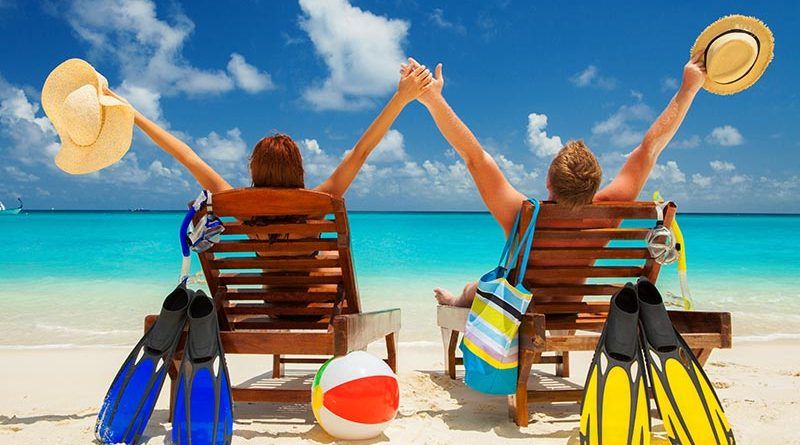
Holidays are special days when people take a break from work or school. Many families plan their holidays in advance. Some prefer relaxing on the beach, while others enjoy active trips. Travelling to new places helps people learn about different cultures. During holidays, people often try traditional food and local activities. Some tourists take photos and buy souvenirs. Others simply relax and forget about daily stress. National holidays are also important for many countries. On these days, people celebrate important historical events. Families usually gather together and share festive meals. Children especially enjoy holidays because they receive gifts or have fun activities. Good weather can make a holiday even better. However, the most important part of any holiday is spending time with loved ones. Holidays give us a chance to recharge and feel happier. After a good holiday, people return home with new energy and positive emotions.
Vocabulary List
- take a break
- plan in advance
- active trip
- traditional food
- souvenirs
- celebrate
- historical event
- festive meal
- recharge
- positive emotions
Exercise 4. Answer the questions.
- Why do people travel during holidays?
- What do tourists usually buy?
- Why are national holidays important?
- What is the most important part of any holiday?
Шрифти
Розмір шрифта
Колір тексту
Колір тла
Кернінг шрифтів
Видимість картинок
Інтервал між літерами
Висота рядка
Виділити посилання
Вирівнювання тексту
Ширина абзацу